
The Invisible Risks of Under-Tensioning Your Rig and How to Avoid Them
by Cyclops Marine 28 Jul 09:00 BST
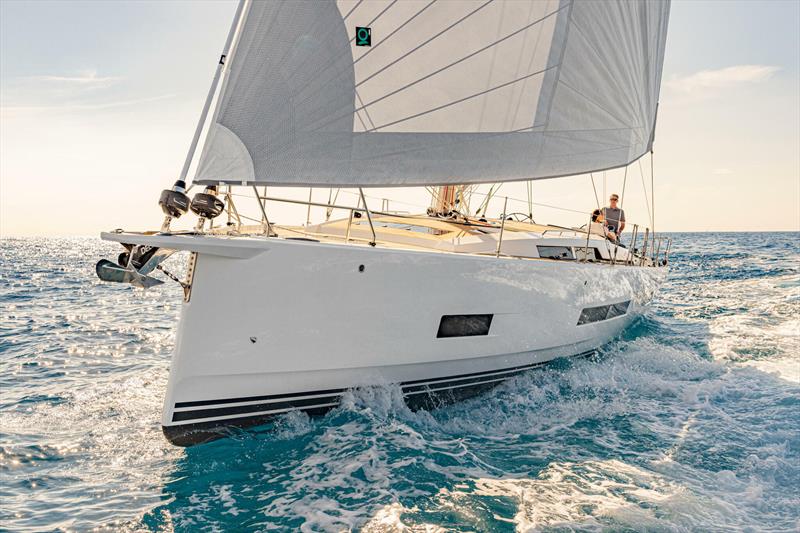
Consider the risks of under-tensioning the rig as well as guarding against overload © Hanse Yachts
What Under-Tensioning Does to Your Rig
While most sailors guard against overload, under-tensioning your rig poses an equally catastrophic threat to equipment. Sometimes, there are tell-tale signs, like a loose leeward shroud when sailing upwind.
But more often, your mast and rigging will be still, straight and appear completely normal to the naked eye, offering no visual clue as to whether the rig is under- or overloaded. It may feel like you're sailing smoothly, but marginal under-tensioning builds up a cumulative toll over time, quietly increasing the risk of rig failure.
As the boat responds to gusts, sea state and changing heel angles, an under-tensioned leeward shroud repeatedly slackens and snaps tight, subjecting the rigging to damaging shock loads and cyclic fatigue.
Over time, this can lead to:
- Work hardening spots (especially at the top of turnbuckles) where wire is weaker and more likely to fail.
- Broken wire strands near terminals or spreader tips.
- Fatigue cracking in terminals, toggles, chainplates, and mast fittings.
Often, this damage isn't obvious until it's advanced. And even when it does become evident, many sailors don't realise that it's due to habitually under-tensioning the rig.
Under-tensioning leads to a loading trend that can take years off the life of standing rigging. It can also lead to sudden failure if damage goes unrepaired.
How To Avoid It: Monitor Loading
At the dock, there's the old fashioned way - using a tension gauge to provide a rough idea of rig tension which you match up to the rig manufacturer's recommendations in the guide or manual.
This method is one better than plucking a wire, but it's still rudimentary. And it only provides a snapshot (reassurance that rig tension was safe when you left the dock that day), when you get out on the water, things change quickly.
Only continual, live load monitoring provides accuracy and long-term protection; much like a car health check, a single static reading is only relevant the moment it's taken and quickly becomes outdated when real-world conditions take over. It's also an inconvenience to have to perform a lengthy manual rig check every time you want to go sailing.
Smart Rig Manager
Smart Rig Manager is a new platform from Cyclops Marine that monitors rig tension continually in the background, alerting you via your multifunction displays if loading threatens to drop under or exceed manufacturer recommendations. It's always there if you want to view live loads and make adjustments, or look back at loading trends.
It has three simple displays that help you make efficient use of rigging and sails:
Digital Dock Tune
When you set up Smart Rig Manager, you input the OEM recommended hull, mast and sail configuration. This programs the platform, informing the dials that you see during dock tune:
Easily maintain safety and efficiency - just as you maintain recommended tyre pressures on a car dashboard.
Live Sailing
When you leave the dock, switch to Live Sailing mode. Live feedback on the water provides reassurance that loading remains safe, and alerts you if overload or underload become increasing risks.
This keeps you in the "sweet spot" - protecting your rig both from sudden failure and long-term fatigue.
It's also fun to sail with an eye on the Live Sailing page. If you feel the desire, you can optimise performance, or just sail smoothly and comfortably, improving your sailing all round.
Trip Analysis
Trip analysis is a huge asset when it comes to guarding against under-tensioning.
You may be very diligent at the dock, and you might check the Live Sailing display fairly regularly to make sure you're still in the sweet spot, but your sailing habits could be damaging equipment when you're not so vigilant.
A look at Trip Analysis at the end of the day or at the end of a weekend on the water gives you an awareness of loading trends, so you can improve future decision-making.
It might give you full assurance that you're sailing the yacht safely and efficiently, but if you're seeing a pattern of underloading, it's not the end of the world - simply tune the rig back to the correct tension at the dock and keep a close eye that loading remains in the green during your next sail.
How To Upgrade
Smart Rig Manager is making its way onto many brand new yachts as standard fit or optional upgrade, but it's just as easy for older yachts to upgrade. Watch this video to see how simple it is to get set up.
Have questions about the effects of under-tensioning your rig? Or interested in upgrading to Smart Rig Manager? Speak to a Cyclops expert.