
Roof Rack Ready - Top Tips for Transporting Your Dinghy
by RS Sailing 16 Apr 14:30 BST
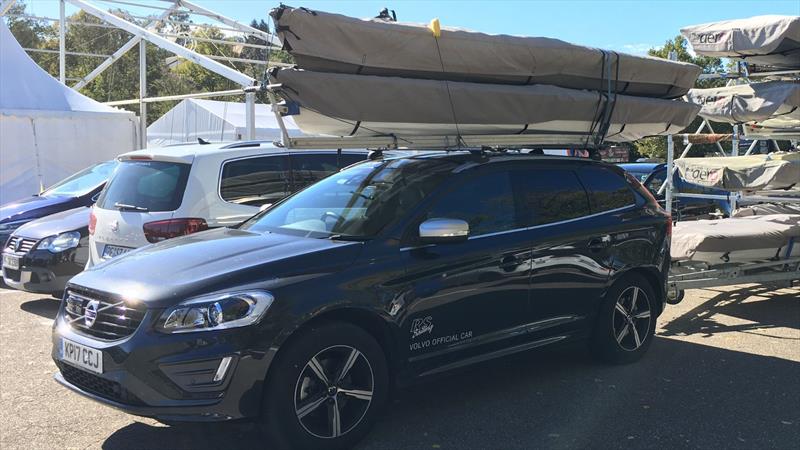
Roof racks can make sailing more accessible © RS Sailing
One of the biggest factors in how often people sail isn't always time, weather, or even location - it's transport flexibility.
If getting your boat on the road takes just a few minutes rather than trailer prep and towing confidence, sailing becomes much easier to fit into everyday life. A quick evening sail after work. A spontaneous weekend at another club. A family holiday where the boat comes too. That's why #RoofRackReady boats play such an important role in making sailing more accessible.
As Richard Frost, Head of Operations at RS Sailing, puts it: "A boat that fits safely on a roof rack gives you more freedom; whether that's storing it at home, heading to your local club after work, or travelling further afield for an event. If loading up feels simple, sailing becomes more accessible."
For many sailors - particularly those starting out - roof rack transport removes a major barrier, without immediately investing in extra equipment that can feel daunting.
"A trailer can feel like a big extra step when you're new to sailing," Richard explains. "Roof rack transport often gives people confidence to get started because it feels more manageable."
Here are some of RS Sailing's practical top tips for transporting your boat by roof rack. These are intended as general advice only, not legal guidance. For full UK requirements, always check Driver and Vehicle Standards Agency (DVSA) guidance and The Highway Code before travelling. If you're sailing elsewhere in the world, make sure you follow your own national regulations too.
Before You Load: Start With Safety
Before the boat even leaves the ground, it's important to start with the basics. "Always begin with your vehicle, not the boat," says Richard. "Make sure your roof bars and roof load limits are suitable before anything goes up there."
That means:
- Follow your vehicle manufacturer's roof transport guidance
- Check your dynamic roof load limit* carefully
- Use roof bars rated for the total load - not just the weight of the boat
- Your roof bars should ideally exceed the width of the boat
- Be mindful of your overall vehicle height and any overhang once loaded
Richard recommends using car.info to find your dynamic roof load limit:
- Visit www.car.info
- Enter your car into the search bar at the top, select the model
- Select the correct year for your car ("often there are pictures to help!" says Richard)
- Select the engine size ("although this doesn't really matter that much for roof loads")
- When the specs appear, click 'more'
- Find the 'Weight' section and look for 'Max roof load', "this is the dynamic roof load limit"
Check Your Insurance Before You Travel
Transport cover is often overlooked. Some insurance policies focus mainly on on-water incidents, which means transit damage may not automatically be included.
Richard recommends a quick pre-trip habit: "Take a few photos before you leave. It takes seconds, but if anything happens during transport, having a clear record can really help."
A few simple checks:
- Photograph your dinghy before travel
- Keep insurance details easy to access during the journey
De-Rig Properly Before Loading
A tidy boat is a safer boat to move. Even small items can shift and cause damage surprisingly quickly.
Before lifting:
- Remove or secure loose gear
- Pack as much in your car as you can - foils, sails, etc
- Tie down anything that could shift in transit
- Drain water to reduce weight
Richard says: "A lighter boat is always easier to control during loading - and much kinder on both the hull and the people lifting it!"
Lift Carefully - And Don't Rush It
Even lightweight dinghies such as the RS Tera or RS Aero need proper handling.
"People often underestimate awkward lifts," Richard says. "Take a moment, plan it properly, and make sure everyone involved knows where they're holding and where the boat's going."
Before lifting:
- Assess the lift first
- Make sure you have enough people helping
- Lift evenly and communicate clearly
It's important to know your lifting limits. Everyone is different, so take care with due diligence to avoid any accidental slips.
Use Proper Straps and Padding
Securing the boat correctly is essential. Ratchet straps are the best option, but they need to be used carefully.
"Tight enough to secure the hull, but not so tight that you create pressure points," Richard explains. "Padding under the straps makes a real difference."
Best practice:
- Use quality ratchet or cam straps (beware of stretchy staps!)
- Add protective foam or padding where straps contact the hull
- Avoid overtightening
- Add bow and stern tie-downs for extra stability
- A twist in the straps will stop vibrations at speed
Final Checks Once the Boat Is Loaded
Once the dinghy is on the roof, don't rush to leave straight away.
Complete a final check:
- All straps feel secure
- Contact points are protected
- Spars and foils are safely inside the vehicle or tied securely alongside the hull
And one final habit Richard strongly recommends:
"Stop after the first few miles driving and check strap tension again. Everything settles once you're moving."
Extra Protection for Your RS Dinghy on the Road
A fitted cover helps protect your boat throughout the journey, particularly on longer drives - if you're heading to the RS Games in July this summer!
A proper cover helps shield against:
- Rain
- Road dirt and debris
- UV exposure
"It also means less cleaning when you arrive," Richard adds. "Which nobody complains about!"
You can find a range of polycotton, breathable, fitted covers at RS Sailing Store.
Explore the #RoofRackReady Range
For sailors without a tow bar, roof rack transport can remove one of the biggest practical barriers between you and the water.
Several boats in the RS Sailing range can fit on a roof rack: RS Tera, RS Aero, RS CAT12, RS Zest and RS Feva. Thanks Richard for sharing RS Sailing's #RoofRackReady top tips!