
ARC 2025: What Cruising Sailors Should Know Before Crossing the Atlantic
by Cyclops Marine 22 Nov 2025 16:00 GMT
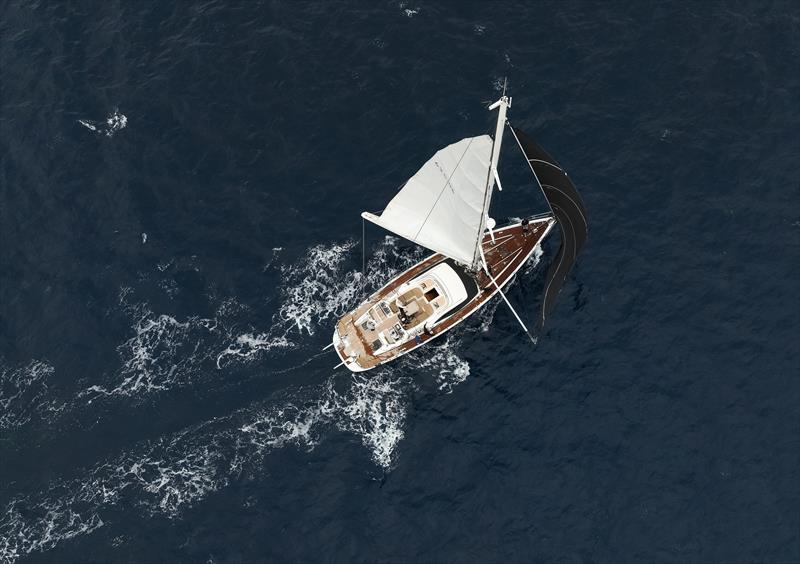
ARC 2025 © Oyster Yachts
Every November, around 150 boats take on the adventure of a lifetime — 2,700 nautical miles across the Atlantic Ocean in the ARC (Atlantic Rally for Cruisers).
In 2025, the fleet departs Las Palmas on the 24th, with yachts of all shapes and sizes making their way to Rodney Bay, Saint Lucia. For sailors, crossing the Atlantic - whether in the rally or not - is an experience few can eclipse. But of course, it should never be taken lightly.
It is each participant's responsibility to ensure that their crew is competent and prepared, and that meticulous plans have been made for every scenario they may face.
A thorough equipment check is central to this. Every experienced sailor will recommend particular attention paid to your rig — to avoid the danger of catastrophic rig failure, costly damage to equipment, and to ensure a comfortable crossing. This is where being equipped with live load monitoring is invaluable.
Dock Tune
Such is the joy of the ARC — some yachts will be brand new, others battle-tested veterans. Many newer models now come fitted with load monitoring as standard. In these cases, the boatyard typically tunes the rig before handover, supplying a tuning guide to help maintain those settings with ease.
With Cyclops load monitoring systems, whether standard-fit or retrofit, load sensors installed on your cap shrouds give you live loads via onboard instruments and a mobile app. This allows you to set up to the manufacturer's recommendations every time. Cyclops sensors are accurate to within 1% of maximum working load (MWL), giving you unmatched precision.
It's also fast. Historically, rig tuning relied on estimation: plucking rigging, feeling tension, or using simple mechanical gauges. Now, with live load readouts, you can get your loads up on screen, check, adjust, and go. You're finely tuned, confident, and ready to enjoy the adventure to the full.
Mastering the Conditions
Of course, once the journey begins, conditions shift. This is the joy - and the challenge - of an ocean crossing.
Your setup needs to adapt. So, Cyclops also allows you to 'tune' continually while sailing. As well as raw numbers on screen a simple green-amber-red dial gives an instant sanity check, ensuring you're within safe limits. A quick glance can drastically improve safety and reduce stress — delivering safe, smooth, enjoyable sailing.
Riding the Trades
Due to northeasterly tradewinds, most crossings from Las Palmas to Rodney Bay enjoy consistent downwind sailing, with the benefit of favourable currents. So, if you keep one eye on your displays and stay in the green zone, you can enjoy a fast crossing and push as hard as you're comfortable with, just adjusting when the dial stays into the amber.
But remember, rig failure is common downwind, especially on multihulls, which don't have the tell tale sign of heeling. So, enjoy the power of your yacht to the full, but put in a reef when you're going towards the red.
An insight from Brent and Ana on how Cyclops helped them complete their circumnavigation onboard the Lagoon 440 Catamaran 'Impi'
Seeing the Squalls
While the passage is known for its stable trade winds, nearing the Caribbean things can change very quickly. Often at night, fast-moving black squalls can lead to sudden 10-20 knot increases in wind speed. When things beyond your control begin to take effect, having live load data on screen is massive - when you can't see your rigging and sails, the sensors are your eyes in the dark - letting you adjust to known settings and ensure safety until things calm down.
Rig Health
Before taking on a challenge like the ARC, owners will be wondering whether they need to refit an entirely new rig. While this is a very legitimate question, investing in a new rig before the time is right is an unnecessary expense — so having data that indicates rig health is also a huge asset.
New Cyclops sensors come with built-in fatigue monitoring, storing data on your rig health & lifespan based on comprehensive load data, collected over time. Live loads are hugely beneficial, but fatigue is an invisible risk that makes failure more likely. This feature offers peace of mind, letting you know when maintenance is required before fatigue becomes failure. All data is logged, giving owners a complete fatigue history they can share with riggers, insurers, or prospective buyers when they come to sell their yacht.
Planning a passage and like to know how Cyclops can help? Contact a Cyclops expert or explore our range.